
Screen Time Awareness: The Concept of When Usage Is Overuse.
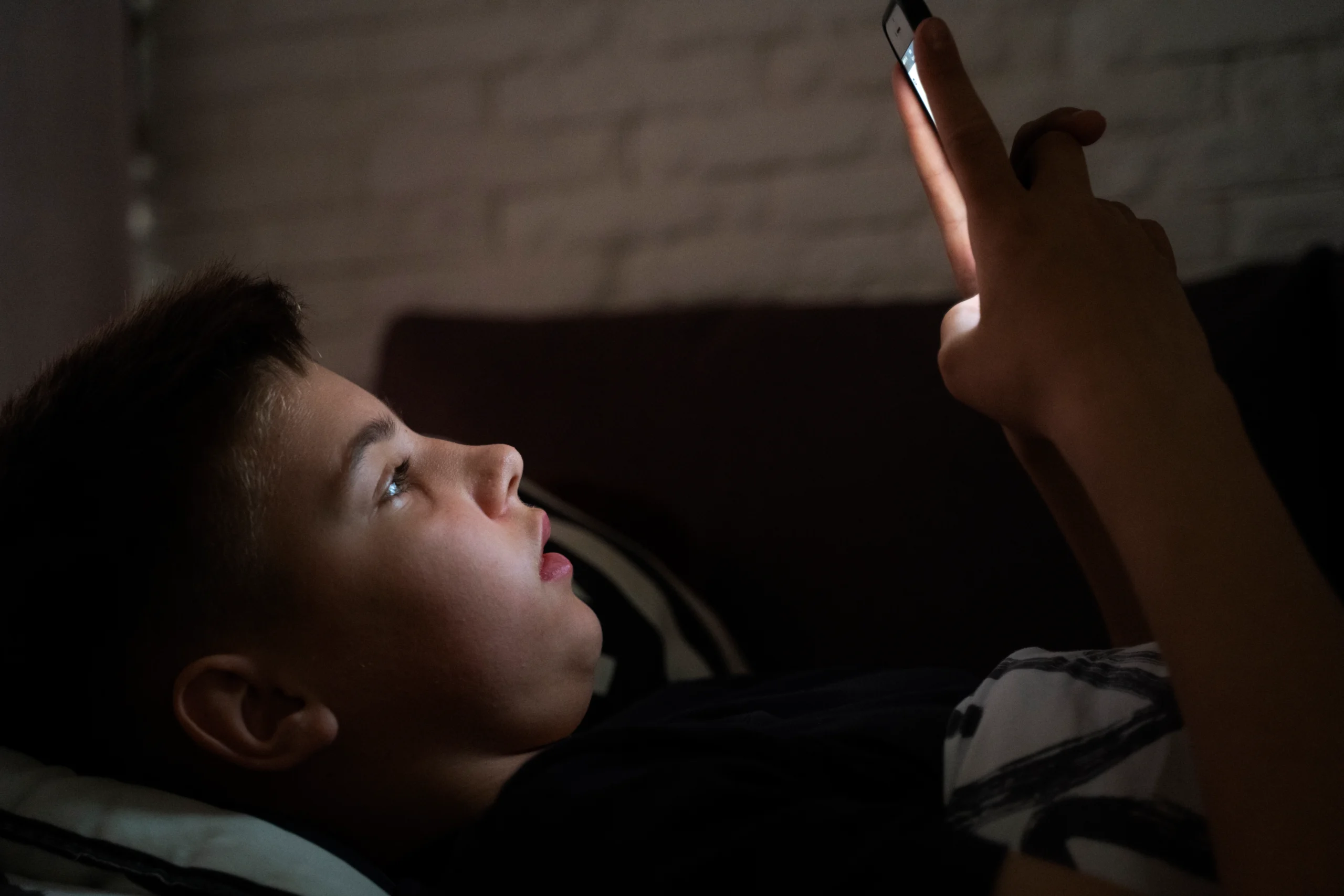
The screen time has turned into an inescapable aspect of contemporary life. Screens are becoming the mediators of work, education, entertainment, communication and daily tasks. Since screens have become a part of almost all spheres of life, it is not hard to believe that high screen usage is a normal and unavoidable phenomenon. None of that is to say that it is harmless, though. Screen time is problematic when it is unconscious, and it is unbalanced. The concept of screen time awareness is the possibility to understand the amount of time spent on devices, how this time is allocated among activities and influences physical, mental, and emotional wellbeing.
Fragmentation is one of the reasons why it is difficult to identify screen overuse. Human beings do not spend eight hours staring at the same screen constantly. Rather, it is used in dozens or hundreds of brief interactions in the course of the day. Checking in on messages, scrolling on messages, quick searches on social media, a few minutes of video consumption are silent additions, which ultimately make a difference. Due to the small size of each session, the overall time spent on it is usually not noticed. When the people finally check the amount of time they spend on the screen daily, they are often amazed by the total number.
Screen time is not necessarily equal. The functional goals are achieved during purposeful use of the screen, i.e., working, studying, making content, or having any meaningful communication. Awareness of screen time implies the distinction between the variants. When individuals understand that most of their time is wasted on doing low value activities then they have a chance to make changes.
Overexposure to screens has an influence on sleep habits. The bright screens produce blue light that interferes with the production of melatonin, a hormone that helps in the production of sleep. More so, provoking content holds the brain at an awake level. A good number of people find it hard to fall asleep or maintain sleep in that after they have switched off their devices, their heads are still going. The lack of sleep at the time affects its mood, concentration, immune system, and health. One of the best methods of enhancing the quality of sleep is to reduce the amount of time on screens before sleeping.
Screen habits also have an effect on physical health. Sedentary position is a cause of muscle stiffness, postural problems, and low circulation. When one closely views something at a reduced distance, it puts a strain on the human eyes and can lead to a headache. The body builds up tension and exhaustion without frequent breaks and movements. Screen time awareness involves the realization of the necessity of physical exercise and integration of breaks into online activities.
Excessive use of screens in terms of psychology can lower boredom tolerance. When people always keep themselves busy with digital stimulation, the brain will not be comfortable with no activity. One of the elements of mental resilience is the ability to endure brief boredom.
The awareness of screen time does not mean screen elimination. It is about creating balance. When human beings have a sense of their screen usage they are able to make a personal choice of what to retain, what to cut and what to modify. This feeling of freedom reinstates power and enhances wellbeing.